Lawn Aeration & Overseeding Service in Pennsylvania
Tired of trying everything to make your grass grow, only to end up with patchy, thin turf? Compacted soil and struggling grass can ruin your lawn's health, limiting its potential to thrive. But don't worry - there's a proven solution to breathe new life into your yard and promote thick, lush growth.
At Premier Lawn Care, we've been revitalizing lawns for 1 years. Our core aeration and seeding service loosens compacted soil, allowing air, water, and nutrients to penetrate deep into the root zone. This creates the perfect environment for new grass seed to flourish, filling in those stubborn bare spots.
Here's why our Aeration and Overseeding service stands out:
- Specialized equipment removes thousands of soil plugs
- Premium grass seed blend tailored for our area
- Performed in spring and fall for optimal results
- Dramatically improves soil health and grass density
- Affordable solution for a thicker, greener lawn
Ready to transform your struggling yard into a thriving, resilient lawn? Our expert technicians are just a call away. We'll assess your unique situation and develop a customized plan to get your grass back on track - without any high-pressure sales tactics or hidden fees.
Revitalize Your Lawn with Expert Care
Is your lawn looking a bit tired? Premier Lawn Care has the solution. We understand you want a great-looking yard without breaking the bank or wasting time. Our core aeration and seeding service is designed to give your grass exactly what it needs to thrive.
Our Proven Lawn Renovation Process
Here's how we transform your lawn:
- Thorough lawn assessment
- Core aeration to relieve soil compaction
- Overseeding with premium grass varieties
- Application of starter fertilizer
- Post-service care instructions
This comprehensive approach addresses common issues in our area, like heavy clay soils and damage from harsh winters. We time our service perfectly - typically in early fall for cool-season grasses - to maximize results and give you a lush, green lawn come spring.
Your Lawn Deserves Lasting Results
At Premier Lawn Care, we stand firmly behind our work. That's why we offer a satisfaction guarantee on our lawn care programs. If you're not thrilled with the results, we'll come back and re-treat at no extra cost. No questions asked.
We believe you deserve a lush, healthy lawn that lasts. Our guarantee ensures you get the value and peace of mind you're looking for, without any hassle or hidden fees.
Spotting Lawn Trouble Signs Before It's Too Late
A lush, green lawn is the pride of any homeowner, but sometimes our grassy patches start showing signs of distress. Recognizing these indicators early can save you time, money, and a whole lot of headaches down the road.
Keep an eye out for these common lawn trouble signs in Pennsylvania:
- Patchy or thinning grass areas
- Water pooling on the surface after rain
- Hard, compacted soil that's tough to dig into
- Yellowing or browning grass, even with regular watering
- Increased weed growth taking over your turf
These issues often stem from soil compaction and poor nutrient absorption, which are especially common in our area due to heavy clay soils and the freeze-thaw cycles of harsh winters. The good news? There's a simple, effective solution that can breathe new life into your lawn and help it thrive throughout the seasons.
At Premier Lawn Care, we understand the unique challenges faced by lawns in our region. Our team of experts is ready to assess your grass and provide tailored solutions to get your lawn back on track. Don't wait for these signs to worsen – a healthy, vibrant lawn is just a phone call away.
Boost Your Lawn's Health with Core Aeration
Did you know that properly aerated lawns can absorb up to 300% more water and nutrients? That's why core aeration is a game-changer for grass health in our area. This process creates thousands of small holes in your lawn, allowing air, water, and vital nutrients to penetrate deep into the soil.
Core aeration combats soil compaction, a common issue in yards with heavy foot traffic or clay-rich soil. It also helps break down thatch, that pesky layer of dead grass and roots that can block water absorption. By addressing these problems, aeration promotes stronger root growth and a more resilient lawn.
Seeding for a Lush, Green Yard
After aeration, it's the perfect time to overseed your lawn. The holes created provide ideal conditions for new grass seed to take root and flourish. This combination of aeration and seeding is especially effective for filling in bare spots and rejuvenating thin areas.
In our area, the best time for core aeration and seeding is typically late summer to early fall. This timing allows cool-season grasses like Kentucky bluegrass and fescues to establish strong roots before winter sets in.
Key Benefits of Aeration and Seeding
- Improved drought resistance
- Enhanced nutrient absorption
- Reduced water runoff and puddling
- Thicker, more uniform grass growth
Annual aeration and seeding can make a world of difference for your lawn's health and appearance. Got questions about how this service can benefit your specific yard? Our team of experts is ready to help.
Frequently Asked Questions
Do I need to water my lawn after aeration and seeding?
Yes—consistent watering is one of the most important steps after aeration and seeding. Once the seed is down, it needs moisture to germinate and develop healthy roots. Here's what we typically recommend:
- Immediately after seeding: Lightly water the entire lawn to settle the seed into the soil and moisten the surface.
- Weeks 1–2: Water lightly once or twice a day, keeping the top inch of soil consistently damp—but not soaked. The goal is to keep the seed moist without causing runoff or puddles.
- Weeks 3–4: As the grass begins to sprout and grow, gradually reduce watering frequency but increase the amount of water per session. This encourages deeper root development.
- After 4 weeks: Watering can typically return to a regular lawn schedule (about 1 inch of water per week, including rainfall), depending on weather and grass type.
Skipping or inconsistent watering can lead to poor germination and patchy results, so staying on top of it—especially in the first few weeks—is key to a lush, healthy lawn.
How often should I aerate my lawn?
Most lawns benefit from aeration once a year, especially if they experience heavy foot traffic, clay soil, or signs of compaction or thinning.
Should I aerate before seeding my lawn?
Yes, aerating before seeding is one of the best ways to ensure successful seed germination. Aeration loosens compacted soil and creates small holes or “pockets” that give new grass seed direct contact with the soil—this improves seed-to-soil contact, which is essential for healthy growth. It also allows water, air, and nutrients to reach the root zone more easily, helping both existing and new grass develop strong roots. When paired together, aeration and seeding work hand-in-hand to create a thicker, healthier, and more resilient lawn.
When is the best time to aerate and seed my lawn?
The best time to aerate and seed your lawn depends on the type of grass you have. Seeding outside of these windows can lead to poor germination or weak root development, especially if temperatures are too hot or too cold. For the best results, we also recommend pairing aeration and seeding with proper watering and fertilization tailored to your grass type.
For cool-season grasses (like fescue, Kentucky bluegrass, and ryegrass), the ideal time is early fall (September to October). The soil is still warm, but the air is cooler—perfect conditions for seed germination and root development. Spring (March to early May) is also a viable option, though fall typically yields better long-term results. For warm-season grasses (like Bermuda, zoysia, and centipede grass), the best time is late spring to early summer (May to June), when these grasses are actively growing. Aerating and seeding during this time gives new grass the full growing season to establish.
How do I prepare my landscape for a treatment?
There’s no need to prepare your landscape for treatment! However, you will likely need to water your lawn or landscape after the treatment to help the products work effectively and ensure results.
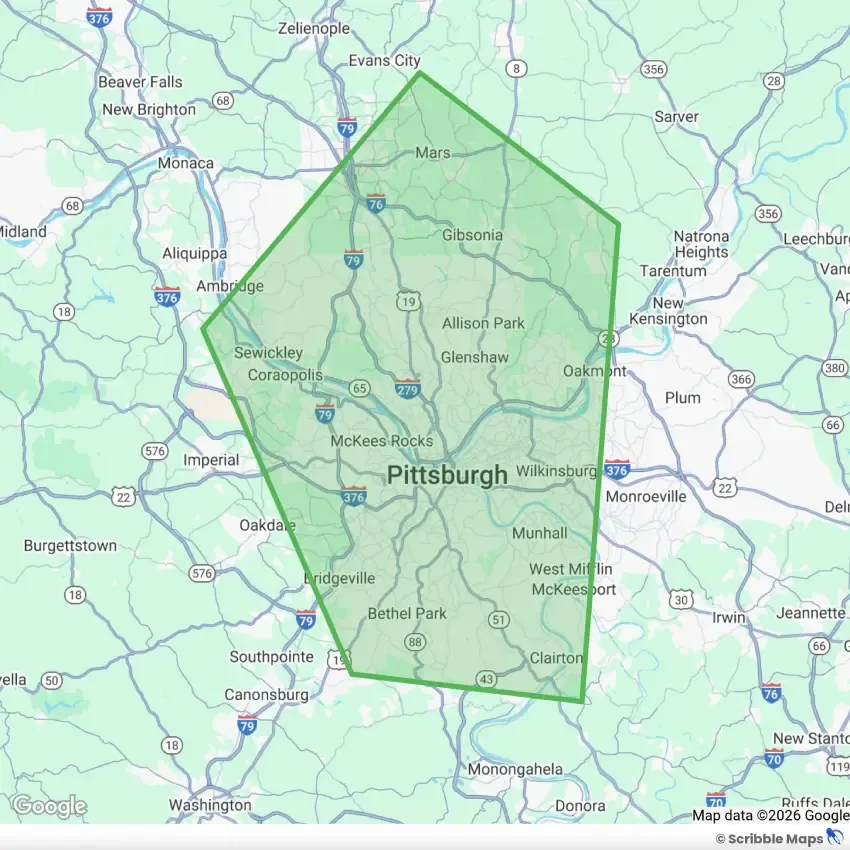
Aeration and Overseeding Service Area
1-2 sentences describing the Aeration and Overseeding service area using tokens and proximity keywords to ensure this block is general but service-specific. For service pages optimized for a branch location, a version of "near" is recommended and appended to the meta title.